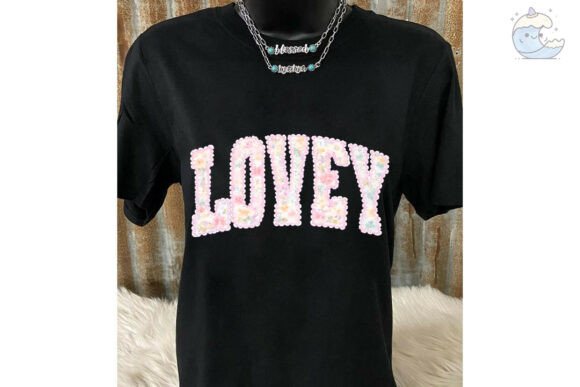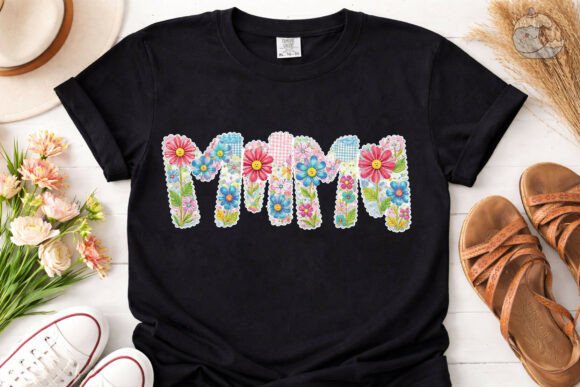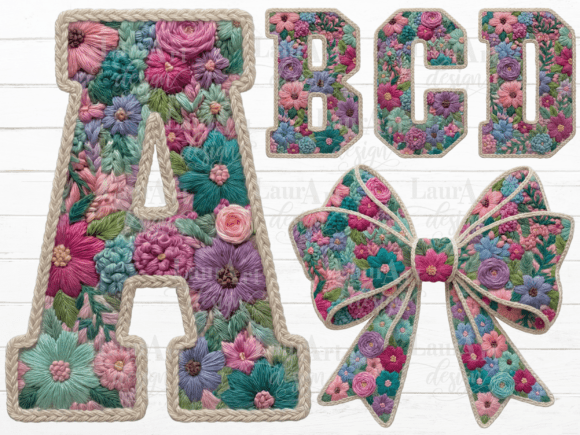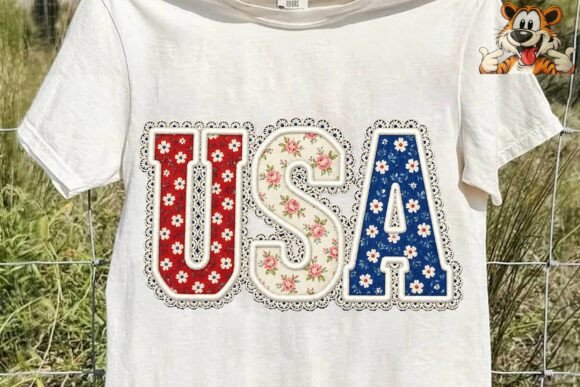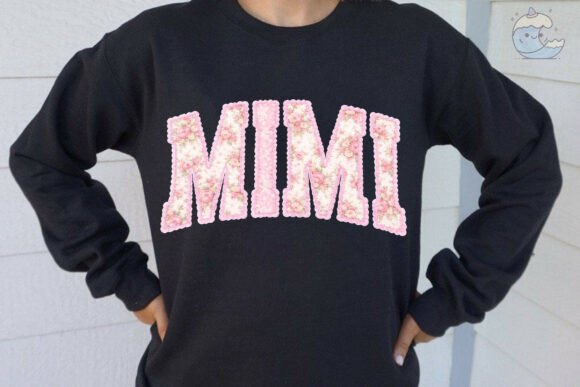
Mimi Floral Faux Embroidery PNG Design
First Impression: Soft, Elegant, and Instantly Recognizable
As an embroidery designer who’s prepped over 200 craft fair booths—and shipped thousands of embroidered totes, aprons, and tea towels—I opened Mimi Floral Faux Embroidery PNG Design expecting charm. What I got was something sharper: a quietly confident floral motif that reads as both hand-drawn and intentional. It’s not loud or cartoonish—it leans into soft elegance with balanced negative space, gentle curves, and botanical rhythm. No frantic layering, no forced whimsy. That matters on a crowded market table where buyers scan in under three seconds. This design doesn’t shout—but it holds the gaze.
Where It Shines: Craft Fair-Ready Product Pairings
Tote bags: Perfect as a centered chest logo or subtle corner accent. At 300 DPI with transparent background, it scales cleanly from 3” to 8” without pixelation—ideal for cotton canvas or linen-blend totes that dominate handmade markets.
Aprons and tea towels: The floral shape flows naturally along bias-cut hems and towel borders. Unlike dense machine embroidery designs that stiffen fabric, this faux-embroidery aesthetic feels light and breathable—critical for kitchen-focused shoppers who associate “handmade” with function *and* beauty.
Patches and small pouches: Works beautifully at 2–2.5” wide. The clean outlines and moderate detail translate well into iron-on or sew-on patches—and hold up when stitched onto textured denim or waxed canvas pouches.
Pillow covers and caps: Use it as a single focal motif—not repeated. On curved cap surfaces, avoid placing stems or fine petals near the seam; instead, center the bloom over the front panel. For pillows, pair it with solid-color linen or oatmeal duck cloth to let the illustration breathe.
Etsy listings and printable mockups: Because it’s a high-res PNG with transparency, Mimi Floral Faux Embroidery PNG Design drops flawlessly into Canva, Adobe Express, or Placeit mockups. Customers instantly “get” the handmade vibe—even before seeing the physical product.
What Makes It Sell on the Floor (and Online)
This isn’t just pretty—it’s practical storytelling. Buyers at craft fairs don’t buy flowers. They buy nostalgia, calm, intentionality. Mimi Floral Faux Embroidery PNG Design taps into that quietly. It feels premium without being intimidating—ideal for customers who want “elevated basics,” not costume pieces.
It photographs exceptionally well: crisp edges, no muddy gradients, consistent contrast across light and mid-tone fabrics. That means your Instagram feed, Etsy thumbnails, and booth signage all reinforce the same cohesive look—strengthening brand consistency even if you’re a solo maker with no logo yet.
And yes—it’s repeatable. You can stitch 12 matching tea towels in one afternoon without redesigning placement or adjusting tension. That batch-production ease is gold for weekend markets where time = margin.
Careful-Use Notes Every Designer Should Check
- Dense areas: Though labeled “faux embroidery,” some inner petal layers may translate to higher stitch density in actual machine embroidery files—test on scrap fabric first, especially with thick stabilizer or heavyweight twill.
- Tiny details: Fine stamen lines or delicate leaf veins may blur on textured towels or dark fabrics. Consider simplifying those elements if converting to a commercial embroidery file.
- Small lettering: If any text is embedded (not indicated in the description), verify legibility at 1.5” height—tiny script rarely reads well on curved cap fronts or small pouches.
- Fabric texture: Avoid pairing with heavily napped fleece or bouclé—those swallow fine lines. Stick to smooth weaves like poplin, quilting cotton, or medium-weight linen.
- Scale sensitivity: Below 1.75”, the floral balance starts to collapse. Use it large (4”+) or minimal (as a single stem on a pocket)—not mid-size and vague.
Real-World Embroidery Designer Checklist
- Test Mimi Floral Faux Embroidery PNG Design on your most common fabric + stabilizer combo—don’t assume it stitches like other florals.
- Check thread color contrast: soft pastels work beautifully on cream or oatmeal, but fade on ivory or ecru unless you boost saturation in your digitizing software.
- Review spacing between elements—if converting to a machine embroidery file, ensure stems don’t crowd adjacent letters or borders.
- Confirm hoop size compatibility: does the widest version fit comfortably in your standard 4x4 or 5x7 hoop? If not, plan for re-hooping—or simplify.
- Inspect stitch density in petal clusters—over-stitched areas can pucker thin fabrics or show through light linens.
- Create at least one real mockup: stitch it, press it, hang it on your booth display rack. See how it catches light and interacts with neighboring products.
- Compare fabric colors side-by-side: what reads “vintage rose” on screen may read “dusty mauve” on unbleached cotton.
- Verify commercial licensing: since this is categorized under Illustrations and Graphics, confirm whether resale of finished embroidered products is permitted—especially for Etsy sellers and small shop owners.
Final Thought: A Quiet Workhorse for Handmade Brands
Mimi Floral Faux Embroidery PNG Design won’t trend on TikTok overnight—but it will sell steadily across seasons. It bridges farmhouse warmth and modern minimalism, appeals to both Gen X gift-givers and millennial home stylists, and performs reliably across categories: tote bag design, apron embroidery, tea towel embroidery, embroidered patch creation, and more. It’s the kind of design that makes your booth feel curated, not cluttered. That’s rare. And in the handmade economy—where attention is scarce and trust is earned—one elegant, versatile, production-smart asset like Mimi Floral Faux Embroidery PNG Design isn’t just nice to have. It’s your quiet advantage.