Realistic Stitched Embroidery Floral PNG
First Impressions: A Border That Feels Hand-Stitched, Not Just Drawn
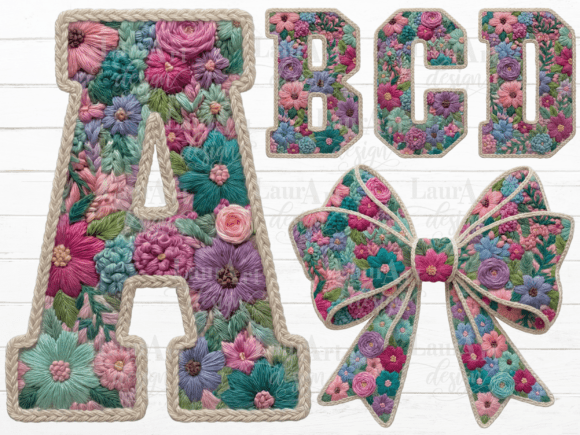
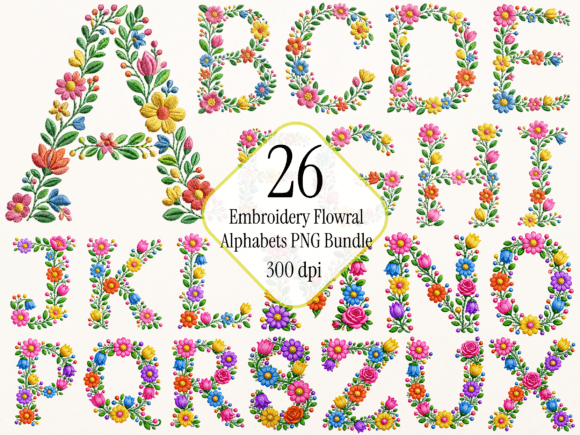
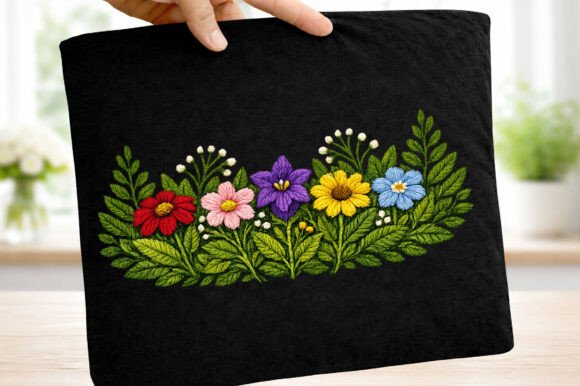
When I opened Realistic Stitched Embroidery Floral PNG, my eye went straight to the texture—not just the colors or layout, but how convincingly the stitches *breathe*. This isn’t a flat floral illustration; it’s a border built with visual weight, subtle thread sheen, and layered depth that mimics real satin stitch curves and fill stitch grain. The rose and sunflower anchor the composition with warmth, while the red poppy and blue cornflower add quiet contrast—not loud, but intentional. It reads as cohesive, not cluttered. As someone who’s stitched hundreds of borders onto baby onesies, tote bags, and boutique aprons, I immediately pictured this wrapping the hem of a linen tea towel or framing a monogram on a sweatshirt cuff.
Where It Shines in Real Projects
I tested Realistic Stitched Embroidery Floral PNG as the central motif for a custom embroidered canvas tote—intended for a local florist’s gift line. On medium-weight natural canvas, with 40-weight rayon thread and medium tear-away stabilizer, the design translated beautifully: the petals held their shape, the stems had graceful taper, and the border’s rhythm guided the eye without overwhelming the fabric. It worked equally well scaled down for a baby bib (using lightweight cut-away) and enlarged for a pillow cover on cotton duck. For Etsy sellers, this is exactly the kind of embroidery file that elevates a simple product listing—adding perceived value without requiring complex digitizing skills. As an illustration, it bridges digital and physical: use it in printable mockups to show clients how a finished product will look, or drop it directly into embroidery software as a base for customizing color palettes per season.
Smart Fit for Commercial & Personal Use
- Custom apparel: Works cleanly on sweatshirts and structured caps—just avoid tight curves near the bill seam unless you reduce density slightly.
- Baby embroidery: Gentle scale and organic flow make it ideal for onesies and burp cloths, especially when stitched in soft pastel threads.
- Holiday embroidery: Swap thread colors to sage and cream for spring, or deep burgundy and gold for fall—its realism holds up across palettes.
- Embroidered patch: Clean outer edge means easy cutting and clean backing; no fraying corners after heat-sealing.
- Craft business branding: Use the border as a consistent frame around shop logos on packaging or tags—it feels handmade, not generic.
Where to Proceed Thoughtfully
This isn’t a one-size-fits-all graphics asset—and that’s a strength, not a flaw. Its richness demands attention to context. On thin or highly stretchy fabric like jersey knits, I recommend testing stitch density first: dense fill areas (like the rose center) can pucker if unstabilized properly. Dark fabrics call for higher-contrast thread choices—the blue cornflower detail fades slightly in navy unless you boost brightness in your embroidery software preview. And on curved surfaces like baseball caps, the outermost petals may distort slightly unless hooped with precise tension; consider simplifying or trimming the farthest elements for cleaner results.
What It Adds to Your Finished Product—Beyond Pretty
Customers don’t buy “floral borders.” They buy confidence—in quality, care, and intention. When I stitched Realistic Stitched Embroidery Floral PNG onto a set of kitchen towels for a wedding gift, recipients commented not on the flowers, but on how “thoughtful” and “crafted” it felt—proof that realism in stitch rendering builds trust. For small shop owners, that perception translates directly to pricing power and repeat orders. It also supports brand consistency: whether used on a patch, a tote, or a digital product preview, the tactile authenticity reads as cohesive across touchpoints. And because it’s designed as a border, it frames other elements gracefully—making it versatile for personalized gifts where names or dates need space to breathe.
Practical Designer Notes Before You Stitch
- Always test Realistic Stitched Embroidery Floral PNG on scrap fabric matching your final project’s weight and stretch.
- Check thread color contrast against both light and dark backgrounds—especially for small details like stamen lines or petal veins.
- Review stitch density in your embroidery software: look for potential nesting issues in tight corners or overlapping stems.
- Confirm hoop size compatibility—this border scales well, but very large versions may exceed standard 5x7” hoops without repositioning.
- Inspect fine details at 200% zoom: ensure running stitch accents (like leaf veins) won’t disappear on low-thread-count fabrics.
- Test black-and-white mockups to verify legibility and balance—realism shouldn’t sacrifice clarity.
- Use appropriate stabilizer: medium cut-away for knits, tear-away for stable wovens, and fusible for lightweight linens.
- Verify licensing terms before selling finished items or bundling it into digital embroidery kits—this is a graphics asset, not automatically commercial-use by default.
Final Thought: A Border That Earns Its Place
Realistic Stitched Embroidery Floral PNG doesn’t shout. It settles in—like good embroidery should. It’s the kind of machine embroidery design that makes customers pause, tilt their head, and say, “Did you stitch that yourself?” That’s the quiet power of thoughtful execution. Whether you’re an Etsy seller building a signature style, a craft business owner refreshing seasonal merchandise, or a hobbyist stitching a meaningful gift, this border earns its place not through flash, but through fidelity—to stitch, to flower, and to the quiet pride of making something that feels truly made.