Floral Line Art: A Designer’s Real-World Embroidery Review
First Impressions: Light, Lyrical, and Surprisingly Versatile
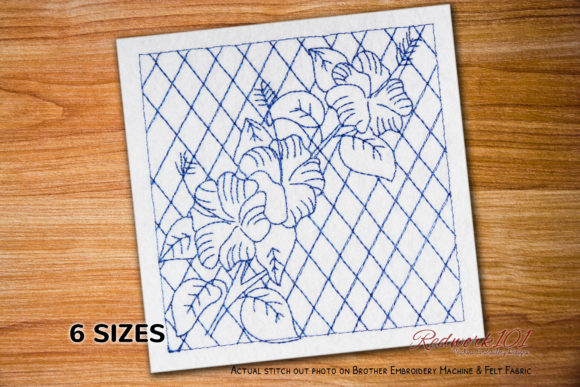
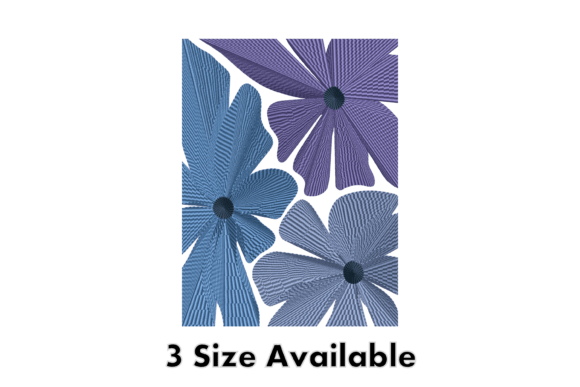
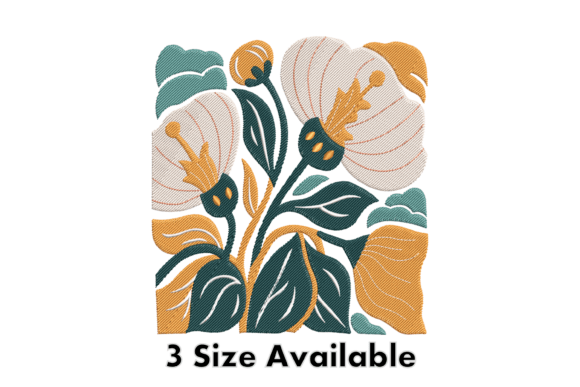
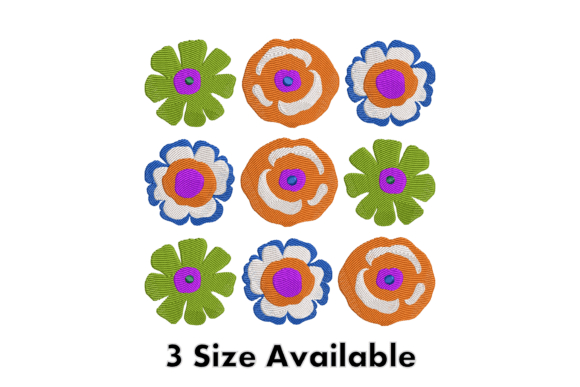
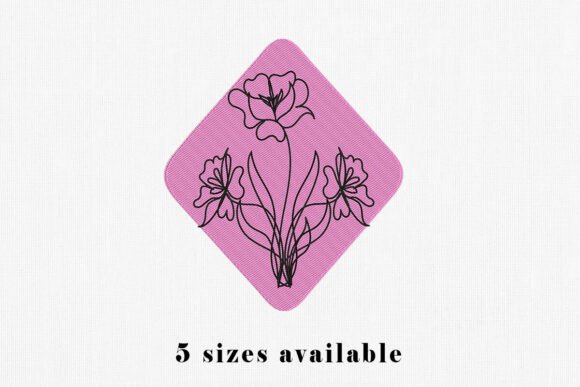
When I opened Floral Line Art, I didn’t see another “cute flower” — I saw a quiet confidence in its minimalism. It’s not fussy. No heavy satin stitch petals or dense fill areas. Just clean, rhythmic line work that suggests bloom and stem with economy and grace. The design breathes — and that’s rare in machine embroidery files aimed at broad appeal. As a designer who regularly sources for custom tote bags, baby onesies, and boutique aprons, my first thought was: This won’t compete with the fabric — it’ll complement it. It leans into whimsy without tipping into childishness, making it ideal for small shop products where tone matters as much as technique.
Real Project Test: Stitching It on a Linen Tea Towel
Last week, I used Floral Line Art on a natural linen tea towel for a local kitchenware pop-up. No applique design, no layered elements — just the line art stitched in soft ecru thread with a fine 40-weight cotton. The result? Crisp, legible lines that held up beautifully after two washes — no fraying, no puckering. Because the stitch density is inherently low (it’s all running stitch and subtle satin accents), the towel stayed absorbent and drapey. Customers responded immediately: “It feels handmade, not mass-produced.” That’s the quiet power of Floral Line Art — it amplifies the authenticity of your finished product without demanding technical gymnastics.
Where It Shines — And Where to Pause
Floral Line Art works exceptionally well for:
- Custom apparel — especially lightweight t-shirts and relaxed-fit sweatshirts where heavy fill stitches would stiffen the fabric;
- Embroidered patches — its open structure stabilizes easily on twill or denim backings;
- Baby embroidery — gentle on delicate cotton interlock and perfect for onesies or burp cloths where texture and softness are non-negotiable;
- Holiday embroidery and wedding gifts — think monogrammed napkins or linen sachets where subtlety reads as intentionality;
- Digital embroidery file previews — its clarity makes it ideal for printable mockups and Etsy listings where buyers need to visualize scale and flow.
But here’s where attention matters: avoid using Floral Line Art on highly textured fabrics like bouclé or thick terry without testing stabilizer layers first. On stretchy knits, use light cutaway + tear-away combo — those fine lines can distort if the ground shifts mid-stitch. And while it handles dark fabric beautifully (especially in metallic or tonal thread), skip ultra-thin voile unless you’re confident in underlay settings — some corners may float without support.
Design Judgment: What This Adds to Your Craft Business
As an Etsy seller and small shop product developer, I judge designs not just by how they stitch — but by how they land with customers. Floral Line Art elevates perceived value because it looks intentional, not algorithmic. It supports brand consistency for makers who favor minimalist, nature-adjacent aesthetics — think botanical apothecaries, slow-living home goods, or modern nursery decor. Unlike busier floral motifs, it doesn’t overwhelm personalized gifts; instead, it frames names or dates with quiet elegance. Buyers recognize craftsmanship in its restraint — and that builds trust faster than any sales copy.
Practical Notes Every Embroidery Designer Should Check
Before stitching Floral Line Art into client work or inventory:
- Test on scrap fabric matching your final substrate — especially for curved surfaces like caps or tapered pillow covers;
- Review thread colors against both light and dark backgrounds — its charm lives in contrast, not saturation;
- Confirm hoop size compatibility; though compact, some versions may include optional stems that extend beyond standard 4x4 boundaries;
- Inspect small details at 200% zoom — ensure no stray jump stitches or digitized gaps in the line continuity;
- Run a black-and-white mockup — this design’s strength is in silhouette and rhythm, not color;
- Use appropriate stabilizer: medium-weight cutaway for stable wovens, lightweight tear-away for towels and linens;
- Verify licensing terms before selling finished items or bundling Floral Line Art as part of a digital product — commercial embroidery rights aren’t automatic;
- Ask yourself: does this serve the product, or distract from it? With Floral Line Art, the answer should always be “serves.”
Final Thought: A Design That Respects the Maker and the Wearer
Floral Line Art isn’t flashy — and that’s precisely why it endures. In a market saturated with over-digitized florals, it offers breathing room. It performs reliably across categories: as a tote bag design, a sweatshirt embroidery accent, a personalized gift signature, or a refined element in a craft business collection. It asks little of your machine but gives much to your output — clarity, calm, and craft integrity. If you’re selecting embroidery files for real projects — not just stock previews — Floral Line Art earns its place not as filler, but as foundation.