Orchid Floral Machine Embroidery Design
A Designer’s First Look: Grace, Nuance, and Quiet Confidence
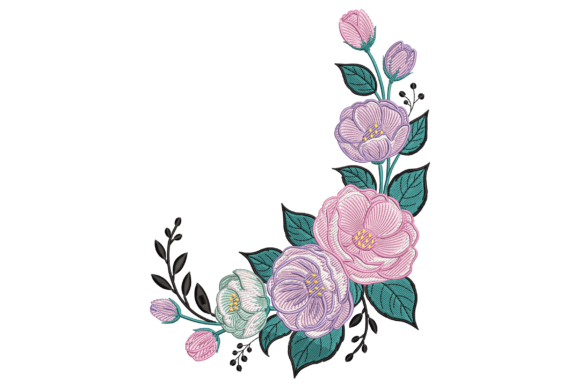
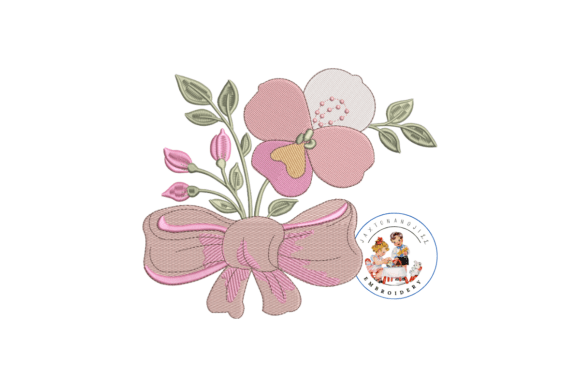
As someone who’s digitized over 2,000 floral motifs—and stitched countless bouquets onto baby blankets, wedding towels, and heirloom pillow covers—I opened the Orchid Floral Machine Embroidery Design with quiet anticipation. What greeted me wasn’t just another floral motif—it was a whisper of coquette charm, softened by botanical sincerity. The orchid isn’t bold or tropical; it leans into refined femininity, with gentle curves, layered petal transitions, and that subtle bow detail anchoring its romantic spirit. It feels handmade—not because it’s imperfect, but because it breathes. No harsh edges, no over-digitized rigidity. Just tender floral nuances, as the description promises. This is a design that invites touch, not just sight.
Where This Orchid Truly Blooms: Real-World Gift Applications
The Orchid Floral Machine Embroidery Design excels where emotional resonance matters most. For baby embroidery, it’s ideal on organic cotton swaddles, muslin blanket corners, or soft knit onesies—its delicacy mirrors newborn fragility without looking fragile. As a wedding gift, it elevates linen napkins, silk ribbon bookmarks, or ivory satin pillow covers for the couple’s first shared bedroom. For nursery decor? Stitch it onto a wooden growth chart frame or a hand-stitched wall hanging—paired with neutral thread, it reads timeless, not trendy.
Etsy sellers and small shop owners will appreciate how effortlessly it translates across categories: embroidered towel sets (especially lightweight flour-sack or Belgian linen), custom totes for bridal showers, aprons for bakeries or flower shops, and even delicate blanket embroidery on heirloom-weight cotton voile. Because it belongs to the Bouquets category yet avoids cliché, it stands out in crowded digital marketplaces—no generic rose or daisy here. It speaks to customers seeking quiet luxury, not loud novelty.
Thoughtful Placement: Where to Use It—and Where to Pause
This design shines on stable, medium-weight fabrics: quilting cotton, twill, linen blends, and smooth cotton poplin. But caution is wise in certain contexts. Avoid placing it directly on highly textured fabric like heavy terry cloth or bouclé—delicate petals can blur. Thick towels demand denser stabilizing and may mute fine details; test stitch density and hoop size before committing to full production. On stretchy baby clothes (think interlock knits), always use cutaway stabilizer and reduce top tension slightly—those slender petal outlines need stability, not distortion.
Curved surfaces—like rounded tote handles or contoured pillow seams—require careful hooping and possibly repositioning mid-stitch. Dark fabric flatters the orchid’s elegance, but verify thread color contrast: pale pinks or ivories may recede too much unless paired with a subtle underlay. And while the design holds up beautifully after washing, avoid high-heat drying on finished products—preserve that coquette bow’s crispness.
Why It Elevates Your Personalized Gift Business
The Orchid Floral Machine Embroidery Design doesn’t just decorate—it deepens connection. Customers don’t buy “a floral motif”; they buy meaning: “my daughter’s name beside this bloom,” “our wedding date tucked beneath the bow.” That emotional hook lifts perceived value instantly. Handmade product buyers respond to authenticity—and this design feels intentionally crafted, not algorithmically generated. In product photography, it performs exceptionally: soft shadows catch the petal layering, light reflects off satin-stitch gradients, and the bow adds dimension that draws the eye. That translates directly to higher buyer engagement, longer dwell time, and stronger trust in your small shop product curation.
Practical Embroidery Notes Every Maker Should Run Through
Before stitching your first customer order, run these checks:
- Test on scrap fabric—match both fiber content and weight to your final product. A kitchen towel behaves very differently than a silk pillow cover.
- Verify thread color contrast across at least three lighting conditions (natural daylight, warm indoor, cool LED). Subtle tones shift dramatically.
- Confirm hoop size compatibility—some versions of this design include optional bow-only or orchid-only elements. Know which file you’re using.
- Review stitch density, especially in petal overlaps. Overly dense areas can cause puckering on lightweight fabrics; overly sparse ones lose definition on dark backgrounds.
- Use appropriate stabilizer: tear-away for stable wovens, cutaway for knits or loosely woven linens, and water-soluble for sheer overlays.
- Compare light and dark fabric mockups—a printable mockup helps visualize balance before stitching begins.
- Inspect small details post-stitch: check bow loops, petal tips, and stem tapering. Even minor trimming errors affect finish quality.
- Confirm commercial licensing before selling finished products—this is a digital embroidery file, and usage rights vary by seller. When in doubt, contact the designer or platform directly.
Final Thought: More Than a Design—A Signature Touch
The Orchid Floral Machine Embroidery Design isn’t just another addition to your library. It’s a signature touch—a way to signal care, intention, and quiet sophistication in every personalized gift. Whether you're an Etsy seller curating a spring collection, a wedding gift designer building heirloom bundles, or a baby product creator stitching love into every blanket, this motif carries weight without heaviness. It whispers rather than shouts—and in today’s handmade marketplace, that whisper often echoes longest. Stitch it thoughtfully, pair it with purpose, and let its gentle elegance do the rest.