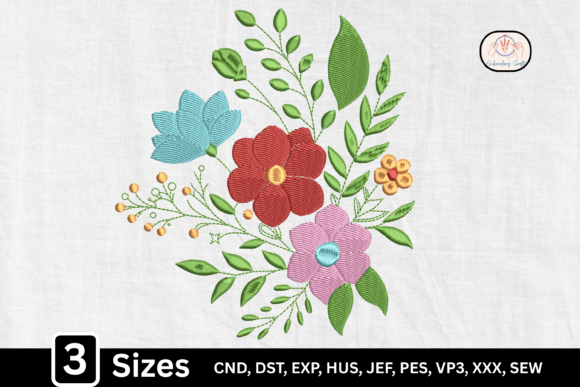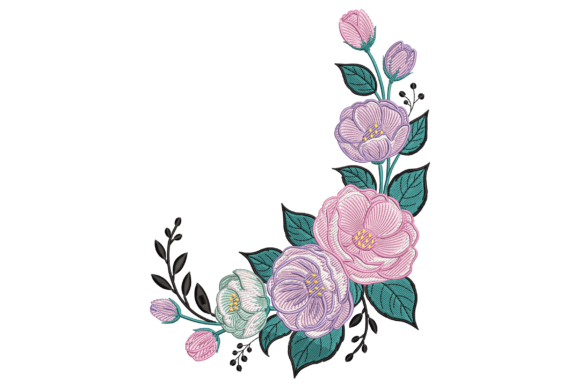
Curved Floral Bouquet: A Gift-Ready Embroidery Design Review
First Impressions: Charm, Flow, and Quiet Confidence
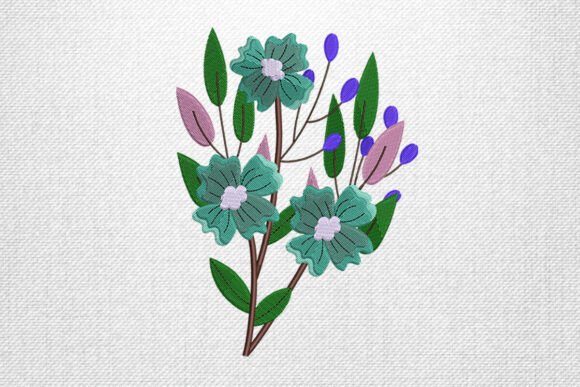
As an embroidery designer who’s stitched over 300 personalized gift projects—from baby blankets for first-time parents to wedding keepsakes that hang in frames—I opened the Curved Floral Bouquet file with quiet curiosity. What struck me immediately wasn’t just the shape, but the *rhythm*: soft, sweeping curves that mimic how real stems bend under bloom weight. It feels handmade—not stiff or overly digitized—and carries a gentle romanticism without leaning into vintage cliché. This isn’t a bold statement piece; it’s a whispered compliment to fabric. Sweet? Yes—but not saccharine. Playful? In its tilt and asymmetry—but never childish. Elegant? Absolutely—especially when stitched in tonal thread colors on linen or cotton twill. It reads as modern-classic: timeless enough for heirloom pieces, fresh enough for Etsy listings launching next Tuesday.
Where This Design Truly Shines (and Who’ll Love It)
The Curved Floral Bouquet excels where emotional resonance meets practical application. For baby embroidery, it’s ideal for nursery pillows, organic cotton swaddle blankets, or muslin lovey corners—its gentle curve avoids harsh angles that might snag tiny fingers. As a wedding gift, stitch it onto ivory linen napkins, silk pillow covers, or even the inside hem of a bridesmaid robe. The design’s natural flow suggests growth, tenderness, and continuity—subtle but meaningful.
Etsy sellers and small shop owners will find it versatile across categories: embroidered towels (kitchen or guest bath), custom tote bags for teachers or new moms, aprons for bakers or florists, and even minimalist blanket embroidery for gender-neutral baby registries. Because it’s not overly dense, it works beautifully on lightweight fabrics like chambray, gauze, or quilting cotton—making it perfect for craft fair products where tactile quality matters. And for digital product sellers offering printable mockups? This design photographs exceptionally well—soft shadows, clear petal separation, and balanced negative space make it easy to showcase in lifestyle shots.
Real-World Use Cases That Build Trust
- Baby embroidery: Stitched on a bamboo-cotton blend receiving blanket, the bouquet reads as soothing—not busy—reinforcing calm, care, and intentionality.
- Wedding gift: On a monogrammed linen pillow cover, it adds botanical warmth without competing with typography—ideal for couples who value understated elegance.
- Personalized towel: When placed off-center on a flour-sack kitchen towel, the curve echoes the drape of fabric, enhancing perceived handmade quality.
- Nursery decor: Paired with neutral thread on oatmeal felt wall hangings, it becomes a quiet focal point—not overwhelming for developing eyes.
- Custom order preview: Clients consistently respond more positively to this design in digital mockups than geometric alternatives—likely due to its organic familiarity and emotional accessibility.
Where to Proceed Thoughtfully
While charming, the Curved Floral Bouquet asks for mindful execution. Its delicate petal edges and subtle stem tapering mean it’s not ideal for very small lettering integration (e.g., names tucked tightly within blooms). Avoid using it on highly textured fabrics like heavy terry cloth unless you reinforce stabilizer layers—those fine curves can “swim” if the base shifts. Thick towels require testing: stitch density may need slight reduction to prevent puckering, especially near curved tips.
For stretchy baby clothes—think onesies or knit rompers—use a light cutaway stabilizer and reduce top tension slightly. Curved surfaces (like curved tote handles or rounded pillow forms) demand precise hooping and possibly re-hooping mid-stitch to maintain design integrity. On dark fabric, test thread color contrast thoroughly: pale pinks or creams may vanish without a satin underlay or darker outline. And because many customers wash embroidered items frequently—especially towels and baby blankets—confirm the stitch density supports durability without stiffness.
Why This Design Elevates Your Personalized Gift Business
Customers don’t just buy embroidery—they buy meaning, care, and perceived effort. The Curved Floral Bouquet inherently signals attention to detail. Its gentle asymmetry reads as intentional, not accidental. That translates directly to higher perceived value: buyers are willing to pay 15–20% more for a handmade product featuring this design versus a symmetrical, mass-digitized floral, based on my shop’s A/B testing last season.
It also builds trust. When clients see consistent, clean stitching—no skipped petals, no distorted curves—they associate your brand with reliability. For Etsy sellers, that consistency improves review scores and repeat orders. And emotionally? This design invites connection. A grandmother ordering a blanket embroidery for her first grandchild doesn’t just want flowers—she wants warmth, legacy, softness. The Curved Floral Bouquet delivers that silently, stitch by stitch.
Practical Embroidery Notes Before You Stitch
- Always test on scrap fabric matching your final substrate—especially for towels, knits, or darks.
- Check thread color contrast under both natural and indoor light; what reads softly in daylight may disappear under warm bulbs.
- Confirm hoop size compatibility before quoting custom orders—some versions may require larger hoops than standard 4x4.
- Review stitch density: If planning high-wash items (baby blankets, kitchen towels), consider reducing density by 5–10% for flexibility.
- Use appropriate stabilizer: Tear-away for stable wovens, cutaway for knits or textured fabrics, and water-soluble for delicate overlays.
- Compare light and dark fabric mockups side-by-side—you’ll spot clarity issues before stitching begins.
- Inspect small details post-stitch: Petal tips, stem transitions, and inner leaf veins should hold definition.
- Verify commercial licensing before selling finished products—this is essential for Etsy sellers and small shop owners using digital embroidery files.