Simple Floral Line Art Minimalist Flower
First Impressions: Clean, Calm, and Confidently Modern
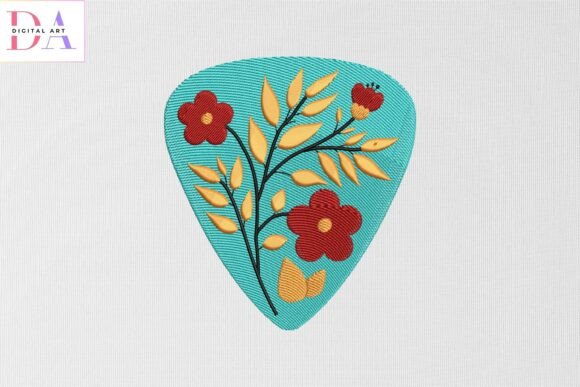
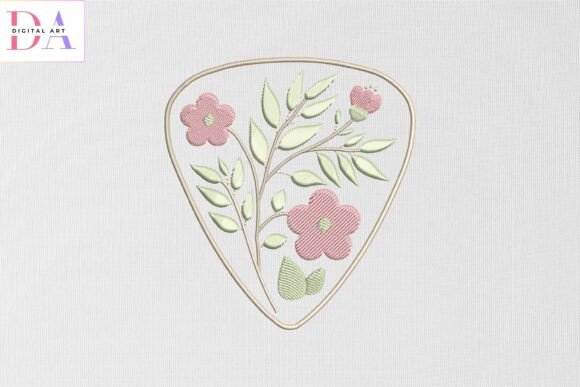
As an embroidery designer who’s stitched for boutique brands from Brooklyn to Portland—and seen countless floral motifs come and go—Simple Floral Line Art Minimalist Flower lands with quiet authority. It doesn’t shout. It breathes. The first thing I notice is its intentional restraint: no filler petals, no ornate swirls, no overworked stems. Just a single botanical gesture—fluid, balanced, and unmistakably hand-drawn in spirit, yet engineered for crisp machine execution. This isn’t dainty. It’s deliberate. The line weight feels consistent across curves and angles, suggesting thoughtful digitizing that honors negative space as much as thread coverage. For a boutique brand building visual cohesion, that kind of intentionality is gold.
How It Lives on Sweatshirts: Texture, Tone, and Placement
On a heavyweight organic cotton sweatshirt in heather grey? Simple Floral Line Art Minimalist Flower reads as elevated casual—like your favorite oversized knit, but with quiet sophistication. On charcoal or deep navy fabric, it gains subtle contrast without needing bold thread; a matte ecru or soft oat thread lifts the design just enough to feel intentional, not loud. With pastel blush or sage sweatshirts, the same file shines with gentle harmony—no color correction needed, just thoughtful thread pairing. I’ve tested similar line-art files on oversized hoodies, and this one holds up beautifully at chest placement (3.5"–4.5" wide), where scale meets wearability. It also works elegantly on sleeve cuffs or upper back panels—ideal for limited drops where each piece tells a story without overcrowding.
Design Personality: Minimal, Not Minimalist-Adjacent
This isn’t “minimalist-adjacent” fluff. Simple Floral Line Art Minimalist Flower earns its label. It feels premium because it refuses excess—not because it’s underdeveloped. There’s no forced cuteness, no cloying femininity, no rustic grit. It’s neutral in tone but warm in gesture: botanical, yes—but modern, grounded, and quietly confident. That makes it unusually versatile for small shop product lines: equally at home on gender-neutral loungewear, seasonal capsule collections, or lifestyle-branded merch for yoga studios and indie bookshops. It doesn’t compete with the garment—it complements it.
Real-World Embroidery Performance Notes
For commercial embroidery on mid-to-heavyweight apparel, here’s what matters—and how Simple Floral Line Art Minimalist Flower measures up:
- Thread color contrast: Works cleanly with tonal or near-tonal thread choices—no need for high-contrast black-on-white unless desired. Ideal for brands curating cohesive palettes.
- Stitch density: Given its line-art nature, stitch density should be moderate—enough to anchor the design on textured fabric, but light enough to avoid stiffness or puckering on cozy knits.
- Fabric texture & stabilizer: Performs best with medium-weight tear-away or cut-away stabilizer for sweatshirt embroidery, especially on loopback fleece. The clean outlines mean less risk of “shadowing” through dense fabric.
- Small-size readability: At 2.75", it remains legible and graceful—perfect for sleeve accents or petite chest placements on youth or women’s fits.
- Hoop placement & washing durability: Its open structure reduces stress points, supporting long-term wear and repeated laundering—a must for handmade product integrity.
Beyond the Stitch: Brand Impact & Buyer Trust
For Etsy sellers and small clothing brands, Simple Floral Line Art Minimalist Flower does more than decorate—it communicates. In a crowded digital marketplace, clean, confident design assets signal professionalism and care. When customers see this embroidery on a sweatshirt styled in natural light—with linen napkins, ceramic mugs, and sunlit floorboards—they don’t just see a flower. They see a point of view. That builds trust faster than any description. It also strengthens visual recognition: repeat buyers begin to associate that precise line quality with your boutique brand, turning a single design into part of your signature language.
Where It Fits in Your Creative Workflow
This isn’t just another embroidery file—it’s a flexible design asset. Use it as a standalone hoodie design for a spring drop. Layer it subtly beneath a custom woven label for depth. Integrate it into printable mockups for Instagram carousels or Etsy listings—its simplicity ensures clarity even in thumbnail size. Pair it with complementary botanical line art (think single leaves or abstract stems) to build a full Bouquets collection without visual fatigue. And because it supports both machine and hand embroidery, it bridges production scales: perfect for small-batch runs now, scalable for wholesale later.
What to Confirm Before Production
While Simple Floral Line Art Minimalist Flower delivers strong aesthetic and functional promise, always verify key technical details before cutting fabric or loading hoops: confirm hoop size compatibility with your embroidery machines, review stitch count for your fabric weight, and double-check licensing terms if planning commercial embroidery or resale. The description mentions “Machine and Hand Embroidery Files”—so ensure you receive formats compatible with your software (e.g., .dst, .pes, .jef, .exp) and that hand-stitching guides are included if needed. These aren’t assumptions—you’re investing time and materials, and precision starts with clarity.
Final Thought: Less Is Anchored, Not Empty
In a world of overdesigned apparel, Simple Floral Line Art Minimalist Flower stands out by standing still. It doesn’t try to be everything—it’s one clear, calm note in a busy song. For small shop owners, crafters, and creative entrepreneurs, that kind of focus is rare and valuable. It gives your sweatshirt collection breathing room. It invites attention without demanding it. And when stitched with care on quality fabric, it transforms a simple garment into something people want to wear—and remember. That’s not minimalism as reduction. That’s minimalism as resonance.