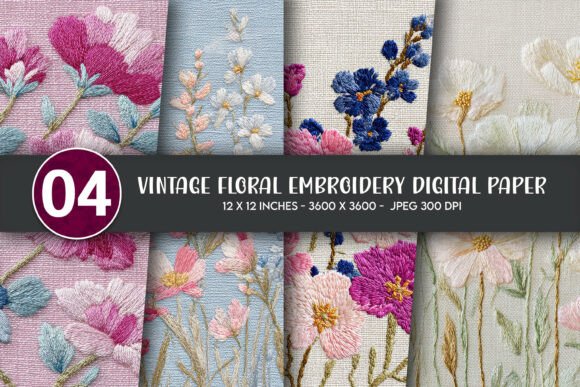
Vintage Floral Embroidery Digital Paper
First Impressions: A Designer’s Eye on Mood and Craft
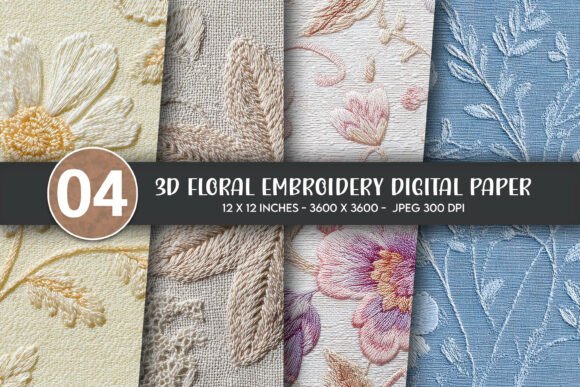
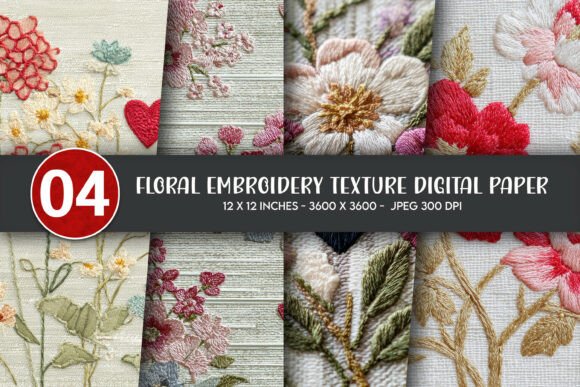
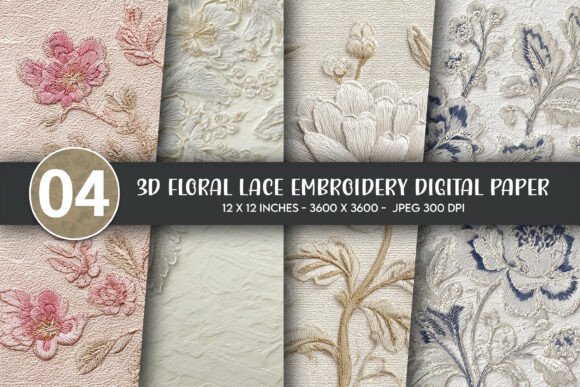
As an embroidery designer who’s developed collections for over a dozen boutique brands, I opened Vintage Floral Embroidery Digital Paper expecting charm—and found quiet confidence. The layout feels intentionally uncluttered: soft botanical silhouettes with delicate stems, loosely grouped blooms, and subtle negative space that breathes. It’s not fussy or overly ornate—no heavy scrollwork or dense filler stitches implied. Instead, it carries a gentle, hand-drawn authenticity: think pressed violets in a linen journal, not a Victorian wallpaper repeat. That translates beautifully to machine embroidery—especially on sweatshirts, where subtlety reads as premium, not sparse.
Sweatshirt-Ready? How It Performs Across Real Boutique Applications
This isn’t just another floral graphic—it’s a design asset built for tactile storytelling. On a heavyweight, oatmeal-colored French terry sweatshirt? The vintage floral reads warm and grounded—feminine without being saccharine, rustic without leaning into farmhouse cliché. On charcoal or deep navy fabric, the design gains quiet drama; thread colors like heather grey, antique rose, or moss green pop with restrained elegance. Pastel heathers (blush, sky blue, sage) let the floral feel airy and seasonal—ideal for spring drops or cozy fall layering shots.
For oversized hoodies, chest placement stays balanced—not overwhelmed by scale. A single bloom cluster centered above the left chest anchors the look without shouting. On sleeves? Trimmed down to 2.5" wide, it becomes a refined accent—perfect for matching sets or limited-edition bundles. As a back design? Scale up thoughtfully: the original composition holds its integrity at 6–7", maintaining legibility and flow across curved shoulders. And yes—it photographs exceptionally well in lifestyle mockups: natural light, textured backgrounds, folded sleeves, and relaxed fit all highlight its handmade product appeal.
What Makes It Boutique-Worthy (Not Just “Cute”)
Vintage Floral Embroidery Digital Paper avoids the trap of looking like clipart. Its line weight varies organically—thicker stems taper into fine tendrils, suggesting thoughtful vector construction. That variation is gold for embroidery: it implies natural stitch transitions, not flat fills. You’ll get visual rhythm, not monotony. It leans gently feminine and quietly decorative—but never childish or overly sweet. There’s a groundedness here that aligns with small shop values: authenticity, intentionality, and quiet craftsmanship.
That tone elevates your entire offering. When customers see this on your Etsy listing beside phrases like “small batch,” “locally embroidered,” or “designed in Portland,” trust builds. It doesn’t scream “mass-produced”—it whispers “curated.” That distinction matters for brand identity, especially when competing against algorithm-driven fast-fashion alternatives.
Practical Design Considerations for Sweatshirt Embroidery
Before hooping, assess three things: thread color contrast, stitch density, and stabilizer pairing. Since Vintage Floral Embroidery Digital Paper is described as high-resolution and versatile across mediums (t-shirts, onesies, mugs), I’d expect clean vector paths—not raster-heavy fills. That bodes well for smooth satin stitching on stems and graceful fill patterns in petals. But remember: what looks crisp on screen must translate to fabric. Test stitch on your exact sweatshirt blend (cotton/poly, fleece-back, organic loopback) using medium-weight cutaway stabilizer. It prevents puckering on thick knits and supports those finer floral details.
Hoop size? Likely optimized for standard 4x4 or 5x7 hoops—ideal for chest placements. For sleeve or back use, confirm scalability before production. Also consider fabric texture: plush fleece backs may soften fine lines, so slightly heavier thread (40wt instead of 60wt) adds definition. And washing durability? Clean vector-based designs like this hold up better than pixelated graphics—fewer loose ends, tighter underlay, consistent tension. Still, always check file notes for recommended stitch count ranges and wash instructions.
Where This Design Shines Beyond Apparel
- Merchandise extension: Use the same motif on tote bags, throw pillows, or greeting cards—creating cohesive brand moments across your shop.
- Etsy presentation: Pair with printable mockups showing the floral on neutral hoodies, flat lays with dried lavender, and detail shots of stitch texture. Customers buy the feeling—not just the file.
- Custom apparel flexibility: Easily recolor for seasonal palettes (mustard + slate for autumn, seafoam + cream for summer) without losing vintage integrity.
- Digital versatility: As an Illustration and Graphics asset, it scales cleanly for social banners, email headers, or packaging stickers—strengthening visual recognition across touchpoints.
Final Thoughts: Why This Fits Your Small Shop Workflow
If you’re an Etsy seller, embroidery shop owner, or custom apparel decorator, you know time is your most valuable thread. Vintage Floral Embroidery Digital Paper saves it—not by being “easy,” but by being *intentional*. It doesn’t demand heavy digitizing edits. It doesn’t fight your fabric. It doesn’t dilute your brand voice. Instead, it arrives ready to elevate: a quiet, confident floral that says “thoughtful” before the first stitch is even sewn.
It’s the kind of design that makes customers pause mid-scroll—not because it’s loud, but because it feels *true*. True to craft. True to season. True to the small shop ethos where every detail is chosen, not defaulted. Whether you're launching a capsule hoodie collection or building a signature logo alternative, this digital paper brings cohesion, warmth, and commercial viability—all wrapped in one elegant, vintage-rooted motif.
Just remember: always verify file format, recommended hoop size, and licensing terms before bulk production. While Vintage Floral Embroidery Digital Paper is marketed for broad use—from wall art to onesies—your sweatshirt embroidery success hinges on matching its structure to your machine, fabric, and stabilizer system. When aligned, it’s not just decoration. It’s your brand, stitched softly—and unmistakably—into every piece.