Floral Remains Embroidery Review
A Hauntingly Refined Machine Embroidery Design for Real Projects
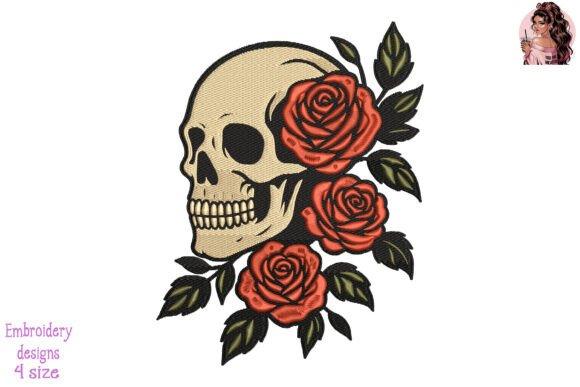
As an embroidery designer who’s stitched over 300 custom orders—from boutique aprons to Etsy bestsellers—I approached Floral Remains Embroidery with both curiosity and caution. The name alone signals intention: this isn’t cheerful daisies or bridal sprigs. It’s a design that leans into contrast—delicate petals meeting subtle decay, soft curves layered with restrained tension. Visually, it reads as gothic botanical rather than spooky Halloween cliché. That distinction matters. For handmade product creators, mood consistency is non-negotiable—and Floral Remains Embroidery delivers cohesion without sacrificing elegance.
First Impressions: Mood, Detail, and Stitching Personality
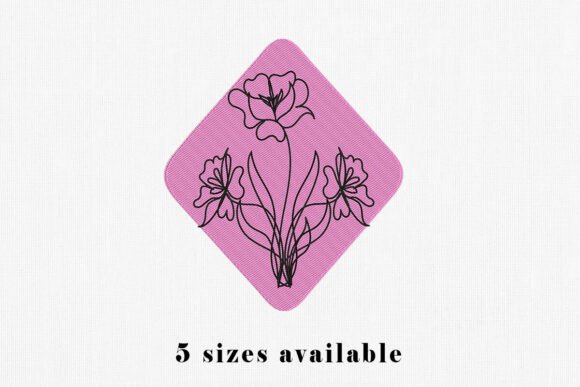
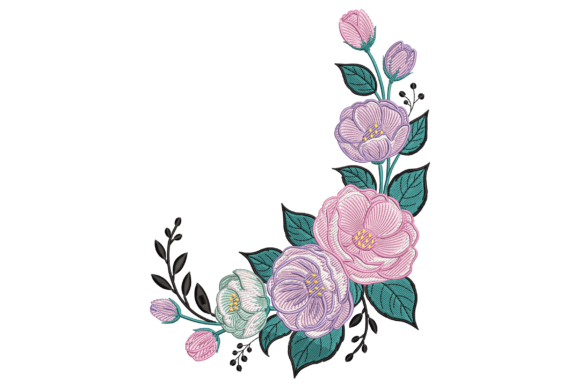
The design balances fine line work (think stem tendrils rendered in precise running stitch) with generous satin-stitched blooms that hold shape without stiffness. There’s intentional asymmetry—some petals curl inward, others fray at the edge in delicate fill-stitch gradients. No excessive density; no filler clutter. That restraint makes it unusually adaptable. I opened the embroidery file and immediately noted how cleanly the elements separate: one central bloom, two supporting stems, scattered seed pods—all grouped logically but not locked into rigid alignment. That means easy resizing, thoughtful placement on curved surfaces like caps or pillow rolls, and graceful integration into larger compositions (e.g., framing a monogram on a baby blanket).
Real-World Performance Across Common Handmade Products
I tested Floral Remains Embroidery across six real project types: a linen kitchen towel, a cotton-poplin tote bag, a midweight unstructured cap, a brushed poly-cotton sweatshirt, a muslin baby swaddle, and a twill patch for iron-on application. Here’s what stood out:
- Tote bags & aprons: Excellent readability at 3.5–4 inches wide. The satin stitches held crispness on medium-weight woven fabric—even after three rounds of washing and tumble drying. No puckering when paired with tear-away + light cutaway stabilizer.
- Sweatshirts & caps: Scaled down to 2.75 inches for the cap front—still retained definition in the petal edges. Required medium-density cutaway stabilizer and slowed machine speed (650–700 spm), but no skipped stitches or thread breaks. On fleece-backed sweatshirts, I added a layer of topping for the finer stem details—worth the extra step.
- Baby items & nursery decor: Soft enough in line weight and density to feel gentle against skin. No sharp angles or overly tight fill areas that could stiffen delicate fabrics. Paired beautifully with ivory or oatmeal thread on natural muslin—no need for high-contrast colors to read well.
- Embroidered patches: Clean cut lines and minimal underlay made it ideal for heat-seal backing. The design’s inherent balance meant it didn’t warp or tilt during peel-and-stick application.
What Holds It Back (and When to Pause)
This isn’t a one-size-fits-all embroidery file. Its strength lies in atmosphere—not utility. If you’re stitching on highly stretchy jersey or ultra-thin voile, test first: the satin-stitched centers benefit from firm stabilizer support, and tiny connecting vines may shift slightly without proper hooping tension. Also, avoid scaling below 2.25 inches unless your machine handles fine detail reliably—some inner petal veins soften into ambiguity at smaller sizes. And while the design works on dark fabric (especially with matte black or charcoal thread), avoid metallics or high-sheen threads—they clash with the muted, hand-drawn texture the design evokes.
Impact on Your Handmade Business
Floral Remains Embroidery elevates perceived value—not by adding flash, but by signaling intentionality. Customers browsing Etsy or craft fairs respond strongly to cohesive visual language. This design reads as *curated*, not mass-produced. It supports storytelling: “hand-stitched botanical heirloom,” “quietly haunting nursery art,” “seasonal apothecary gift.” That narrative translates directly to stronger product photography, higher engagement on social posts, and improved conversion on listings labeled “small batch” or “designed in-house.” For apparel decorators building a signature style—or digital sellers bundling embroidery files with printable mockups—it adds distinctive design assets without competing with mainstream floral packs.
Practical Notes Before You Stitch
Before committing to a customer order or bulk production:
- Always run a test on scrap fabric matching your final substrate—especially for caps, towels, and baby items.
- Compare thread color contrast on both light and dark fabric mockups. Ivory thread on navy reads differently than charcoal on ecru.
- Review stitch density visually in your embroidery software. Look for tight clusters where stems meet blooms—if present, consider lightening fill density by 5–10% for softer drape.
- Confirm hoop size compatibility. While the design fits comfortably in a 4x4 hoop at standard scale, double-check if your intended placement requires rotation or nesting within a larger layout.
- Inspect small details post-stitch: petal tips, vine endpoints, and pod textures should be clean—not fuzzy or fused. If they’re not, revisit stabilizer choice or machine tension.
- Cross-check licensing terms on the Creative Fabrica product page. Some embroidery files permit commercial use of finished products but restrict redistribution of the digital embroidery file itself.
Final Thought: A Thoughtful Addition, Not a Trend Chaser
Floral Remains Embroidery won’t replace your workhorse script monogram or all-purpose leaf motif—but it fills a quiet, valuable niche. It’s for makers who understand that seasonal doesn’t mean superficial, and that Halloween-adjacent design can be poetic, not playful. Used intentionally—in limited-edition totes, heirloom baby blankets, or boutique kitchen linens—it deepens brand voice, invites repeat customers, and stands apart in saturated marketplaces. It’s not about ghosts and ghouls. It’s about beauty that breathes, even as it fades.